Choosing the Best Language Learning Method: A Guide to Proven Techniques for Fluency
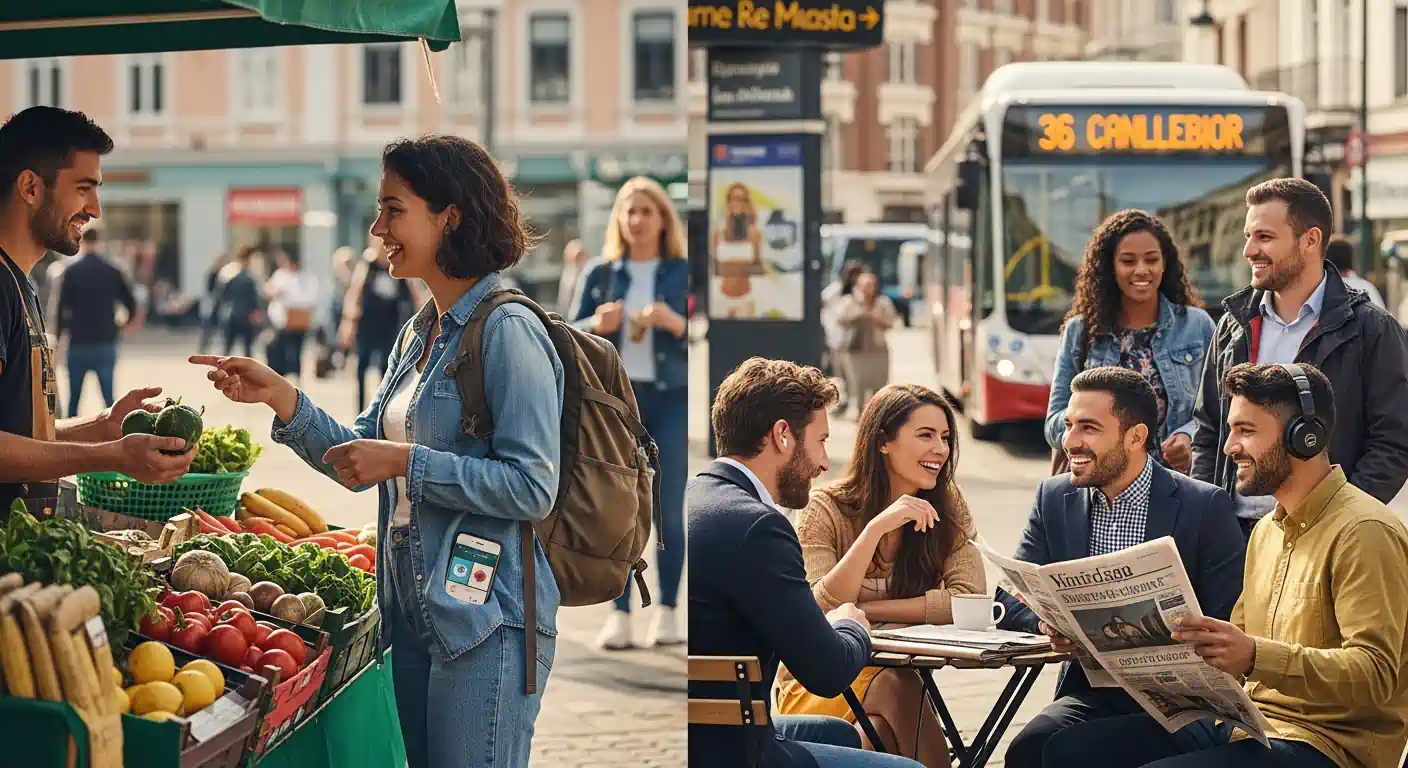
Embarking on the journey to learn a new language is an exciting endeavor, yet the sheer number of available methods can be overwhelming. Choosing the best language learning method is not a one-size-fits-all decision; it requires understanding your personal learning style, goals, and commitment. This comprehensive guide will navigate you through a spectrum of proven techniques, from traditional classroom settings to cutting-edge digital tools and immersive strategies, equipping you with the knowledge to make an informed choice for your path to fluency. We'll explore how to blend different approaches and leverage modern insights to create a highly effective, personalized learning experience.
Key Points for Choosing Your Language Learning Method:
- Self-Assessment is Crucial: Understand your learning style, motivation, and time availability.
- Embrace Hybrid Approaches: The most effective strategies often combine multiple methods.
- Focus on Active Production: Speaking and writing are paramount for true fluency.
- Leverage Technology Wisely: Digital tools enhance learning but don't replace active engagement.
- Consistency Trumps Intensity: Regular, even short, practice sessions yield better long-term results.
Navigating the Landscape of Language Learning Techniques
The quest for fluency often begins with selecting the right approach. While many methods promise rapid results, the truth is that the best language learning method is highly subjective. It depends on factors like your target language, existing linguistic knowledge, cognitive preferences, and daily schedule. This section will break down popular techniques, helping you identify which might resonate most with your learning journey.
Understanding Core Language Acquisition Strategies
Before diving into specific tools, it's essential to grasp the foundational strategies that underpin successful language acquisition. Each strategy targets different aspects of language learning, and a balanced approach usually yields the best results.
1. The Grammar-Translation Method
This traditional approach focuses on reading and writing, emphasizing grammatical rules and translating texts between the native and target languages. It's often effective for developing strong foundational grammar and vocabulary, particularly for academic or literary purposes. However, it can fall short in developing conversational skills.
2. The Direct Method (or Natural Method)
In contrast, the Direct Method plunges learners straight into the target language, shunning translation. It emphasizes spoken language, with lessons conducted entirely in the new language, often using visual aids and context. This method mimics how children learn their first language, fostering a more intuitive grasp of communication.
3. Audio-Lingual Method (ALM)
Popularized post-WWII, ALM heavily relies on repetition, memorization of dialogues, and drilling of grammatical patterns. The goal is to develop automatic responses and correct pronunciation through consistent practice. While effective for habit formation, critics argue it can lack creativity and deeper understanding.
4. Communicative Language Teaching (CLT)
CLT is a widely adopted modern approach that prioritizes real-world communication. The focus is on enabling learners to use the language effectively and appropriately in various contexts. Activities often involve role-playing, problem-solving, and interactive tasks, making it highly engaging for those seeking practical conversational skills.
Modern Approaches and Blended Learning for Effective Language Acquisition
The digital age has revolutionized how we learn languages, introducing innovative tools and strategies that complement or even transform traditional methods. Choosing the best language learning method today often means integrating technology and personalized learning paths.
Harnessing the Power of Digital Resources
Online platforms and mobile applications have become indispensable for millions of language learners. They offer unprecedented access to learning materials, native speakers, and adaptive learning technologies.
- Language Learning Apps: Applications like Duolingo, Babbel, and Memrise make learning accessible and gamified. They are excellent for vocabulary acquisition, basic grammar, and consistent daily practice. A 2023 study by Applied Linguistics Quarterly indicated that consistent use of gamified apps significantly increases learner motivation and vocabulary retention in beginner stages.
- Online Tutors & Conversation Partners: Platforms like italki or Preply connect learners with native speakers for one-on-one lessons or casual conversation practice. This provides invaluable real-time feedback and exposure to natural speech patterns, an essential component for developing language fluency techniques.
- Spaced Repetition Systems (SRS): Tools like Anki leverage algorithms to optimize memorization. They present flashcards at increasing intervals, ensuring you review information just as you're about to forget it. This is a highly efficient method for vocabulary and phrase retention.
Immersion: The Gold Standard for Language Fluency
For those serious about achieving language fluency techniques, immersion remains one of the most powerful strategies. This category, "Immersion Learning Strategies," emphasizes surrounding yourself with the target language and culture.
Practical Immersion Strategies Without Travel
Even without moving abroad, you can create an immersive environment.
- Media Consumption: Change your phone's language, watch movies and TV shows with subtitles in the target language (then without), listen to podcasts, and read books or news articles. This passive exposure builds comprehension and natural intonation.
- Language Exchange Meetups: Join local groups or online communities for language exchange. Speaking with native speakers and fellow learners in a low-pressure environment builds confidence.
- Think in the Target Language: Try to narrate your daily activities or thoughts in the language you're learning. This trains your brain to process information directly, rather than translating from your native tongue.
Differentiated Value: The Neuroplasticity-Driven Hybrid Model
One of the most effective and often overlooked strategies for choosing the best language learning method is to consciously build a hybrid learning model informed by neuroplasticity. Instead of adhering strictly to one method, combine elements that specifically target different brain functions involved in language acquisition. For instance, combine the structural drilling of ALM (for automaticity) with the real-world scenarios of CLT (for practical application) and augmented with SRS (for memory consolidation). This multifaceted approach stimulates various neural pathways, enhancing overall learning efficiency and retention, as discussed in "The Bilingual Brain: Neuroscientific Insights" (Oxford University Press, 2024), which highlights the brain's adaptability.
Furthermore, integrating AI-driven adaptive learning platforms represents a significant trend. These platforms go beyond basic gamification, using machine learning to pinpoint specific weaknesses in a learner's grammar, vocabulary, or pronunciation and then deliver highly personalized exercises. This targeted intervention, as detailed in a Language Education Technology Review report from 2025, optimizes study time by focusing efforts where they are most needed, providing a dynamic and individualized learning path that traditional methods cannot replicate.
Tailoring Your Language Learning Approach for Success
Ultimately, the goal is to find proven language acquisition strategies that you can stick with consistently. Your personal motivation and learning style are critical determinants of success.
Assessing Your Learning Style
- Visual Learners: Benefit from flashcards, diagrams, videos, and reading.
- Auditory Learners: Thrive with podcasts, music, conversations, and audio lessons.
- Kinesthetic Learners: Learn best through active participation, role-playing, and physical actions associated with words.
- Reading/Writing Learners: Prefer textbooks, note-taking, and written exercises.
Most people are a blend of these, so combining multiple methods is usually the most productive path. For instance, a visual learner might use an app with strong visual cues (like Duolingo) while also watching foreign films with subtitles.
Consistency Over Intensity: Building Language Habits
Learning a language is a marathon, not a sprint. Short, daily practice sessions are far more effective than sporadic, long study blocks.
- Set Realistic Goals: Aim for 15-30 minutes of focused practice daily rather than trying to cram for hours once a week.
- Integrate Language into Your Routine: Listen to a podcast on your commute, label objects around your house, or spend five minutes reviewing flashcards during a coffee break.
- Track Your Progress: Seeing how far you've come can be a powerful motivator. Use apps that track streaks or keep a simple journal of new words learned.
This disciplined yet flexible approach helps in choosing the best language learning method that fits into your life, ensuring sustainable progress towards fluency. For further insights on integrating language learning into daily life, consider exploring our category on /categories/immersion-learning-strategies.
Frequently Asked Questions About Language Learning Methods
What is the single best language learning method?
There isn't a single "best" method. The most effective approach is highly personal, depending on your learning style, goals, and the language itself. Many successful learners combine elements from various methods—like digital apps for vocabulary, online tutors for conversation, and media immersion for comprehension—to create a personalized and dynamic learning experience that maximizes their strengths and addresses their weaknesses.
How long does it take to become fluent in a new language?
Fluency timelines vary significantly based on the language's difficulty, the learner's dedication, and the chosen methods. For less difficult languages (e.g., Spanish for an English speaker), consistent daily practice might lead to conversational fluency in 6-12 months. More complex languages (e.g., Japanese) could take several years. The key is consistent, focused effort and regular exposure to the language.
Can I learn a language effectively without full immersion (e.g., living abroad)?
Yes, absolutely. While living abroad offers unparalleled immersion, it's not the only path to fluency. You can create a highly effective "mini-immersion" environment at home by consuming foreign media, interacting with native speakers online, engaging with language exchange partners, and consistently practicing. The essential factor is maximizing your daily exposure and active engagement with the language, regardless of geographical location.
What role do language learning apps play in modern language learning?
Language learning apps are powerful supplementary tools, excellent for building foundational vocabulary, reinforcing grammar, and maintaining daily practice streaks. They make learning accessible, engaging, and often gamified, boosting motivation. However, they are generally most effective when combined with other methods like speaking practice with native speakers, extensive listening, and reading to develop a holistic command of the language beyond basic phrases.
Your Path to Fluency: Start Experimenting Today
Choosing the best language learning method is an iterative process of discovery. There's no magic bullet, but rather a combination of strategies tailored to your unique needs and preferences. By understanding the various proven techniques, from the structured grammar-translation approach to the communicative power of immersion, you are well-equipped to design a learning journey that works for you. Remember that consistency, active engagement, and a willingness to experiment with different tools and resources are your greatest allies.
Don't be afraid to mix and match techniques. Try a language app for daily vocabulary, find an online tutor for conversational practice, and dive into foreign films for cultural context. The journey to fluency is a rewarding one that unlocks new perspectives and opportunities. We encourage you to share your experiences and insights in the comments below – what methods have worked best for you? For more detailed guides on specific skills, explore our articles such as Mastering Pronunciation: Tips for Language Learners or delve into The Role of Cultural Understanding in Language Acquisition to further enhance your learning journey. Subscribe to our newsletter for the latest language learning tips and resources!